
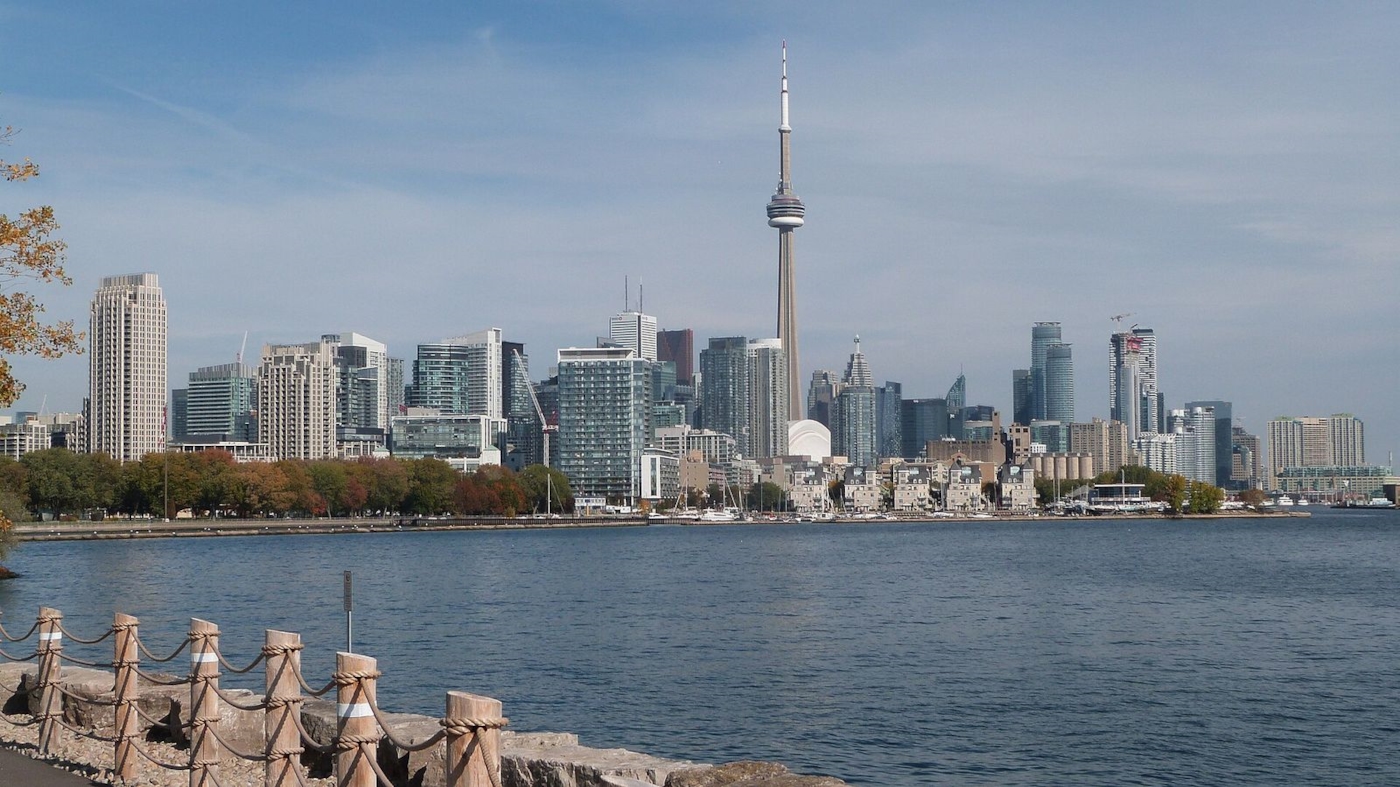
The largest Muslim community in the country
The Greater Toronto Area is home to the biggest concentration of Muslims in Canada, and it shows in daily life. Halal restaurants are on almost every main street, mosques and Islamic centres sit in nearly every district, and Eid prayers fill school gyms, community halls and convention spaces. For a single Muslim looking for marriage, that scale is a gift and a puzzle. There are plenty of people, and almost none of them are in the same room.
Toronto is not one city. It is a city and a ring of large suburbs, with different communities in each. A search that treats the GTA as a single pool will feel overwhelming, so this guide breaks it into practical parts. If you live in Peel Region, our guide to Mississauga goes deeper on that side.
How the region divides
Scarborough and the east. Large South Asian, Tamil, Somali, Arab and Caribbean communities live here, with many mosques and community centres. Families are often well connected, and word of mouth moves quickly. A single family introduction can reach a surprising number of households.
North York and the north. Thorncliffe Park and Flemingdon Park are known for dense, diverse neighbourhoods with a large Muslim population, close to the Don Valley. Further north, around Finch and Jane, communities with Afghan, Pakistani, Arab and Caribbean roots overlap.
Etobicoke and the west. The northwest of the city, around Rexdale, has a long established Somali, South Asian and Caribbean Muslim presence, and families there tend to be rooted for decades.
Downtown, the Danforth and the university district. Students and young professionals gather here. The University of Toronto, Toronto Metropolitan University, York University and the colleges all have active Muslim Students' Associations, which is how many people first meet other Muslims their age.
The 905. Markham, Richmond Hill, Vaughan, Brampton and Mississauga hold some of the biggest and fastest growing communities. Many families have moved here from the city for housing, and it is common for the two halves of a match to live forty minutes apart by car.
Searching a region this big
The commute defines a Toronto search. A coffee between someone in Scarborough and someone in Mississauga means more than an hour on the road or on transit at peak times, and most people will not do that for a first meeting. Pick a rule early. Many members draw a circle that is realistic for a weekday evening, and widen it when a conversation deserves a trip.
Use our search to look first in your own part of the region, then in the next, and note where your family's network is strong. If your parents belong to a particular mosque, ask whether they have friends in neighbouring communities who might know someone suitable. Online and community routes work together, and a profile that says clearly where you live and how far you will travel saves a lot of wasted messages.
Where first meetings happen
Toronto is full of family friendly places that work for a first meeting, with others close by. Choose somewhere in the middle, with parking or good transit, and a busy atmosphere.
- A café or restaurant on the Danforth, Bloor or in a mall food court near a subway station suits students and downtown workers.
- In Scarborough and Mississauga, a family restaurant near a main road is common, and relatives often sit at a nearby table.
- Many families prefer an afternoon at home with tea, which works well when both households live in the same part of the region.
- A community event, such as an iftar in Ramadan or a mosque lecture, lets two people see each other without the formality of a set meeting.
Allow time for the GO train or the TTC, and avoid rush hour if you can. In winter, add a margin for snow.
Ramadan, Eid and the community calendar
Ramadan changes the rhythm of the whole city. Iftars at mosques, student associations and family homes bring people together, and many families host. Eid is a time when extended families gather, and it is a natural moment for introductions. If you are looking for marriage, the weeks after Eid are often busy, and families use them to follow up on conversations that began in Ramadan. Wedding season usually peaks in summer, when halls book months ahead, so a family aiming for a summer nikah often begins talks the previous autumn.
Languages and communities
Toronto's Muslims speak dozens of languages, and many of them are comfortable with English as a shared language. Some prefer a partner with a shared mother tongue, such as Urdu, Bengali, Arabic, Somali, Persian or Turkish, and others are happy to marry across communities. Say what matters to you in your profile. A voice note is a good way to find out whether the language you speak at home will be shared. Read our voice notes guide.
Housing and money in the GTA
Housing in the Toronto region is expensive, and it shapes marriage plans. Many couples live with parents for a time after the wedding, while others rent a one bedroom apartment in a neighbourhood with good transit. It is wise to talk about this early. Where will you live? Will you both work? How will you save for a down payment? These are not romantic questions, and they are the ones that matter in the GTA. Our how it works page lists other early questions to raise.
Staying safe in a big city
A big pool means a bigger chance of meeting someone who is not what they say. Use the same habits you would anywhere. Keep early conversation on the site, share no money or private details, and meet in public with family aware. Read our safety guide, which includes simple checks for work and references. In a large city it is also easy to check that a person is known in a community, so ask for a reference from an imam or a family friend.
Moving between the cities
Many members look beyond the GTA. Hamilton and Waterloo Region are within an hour or two, Ottawa is about four and a half hours by road and London is two hours west. Families sometimes make a day trip to meet a prospective spouse's family, and some marriages join two cities. If you plan to move, say so. If you expect your future spouse to move, say that too, and listen to the answer.
Next steps
Write a profile that says where in the region you live and how far you will travel. Search your own district and the next. Send a message that refers to something in the profile, and offer a voice note once you have exchanged a few lines. When a conversation is going well, tell your family. Our guides on writing a profile and involving a wali will help.
Create your profile or sign in. See the whole country on the Canada overview.